
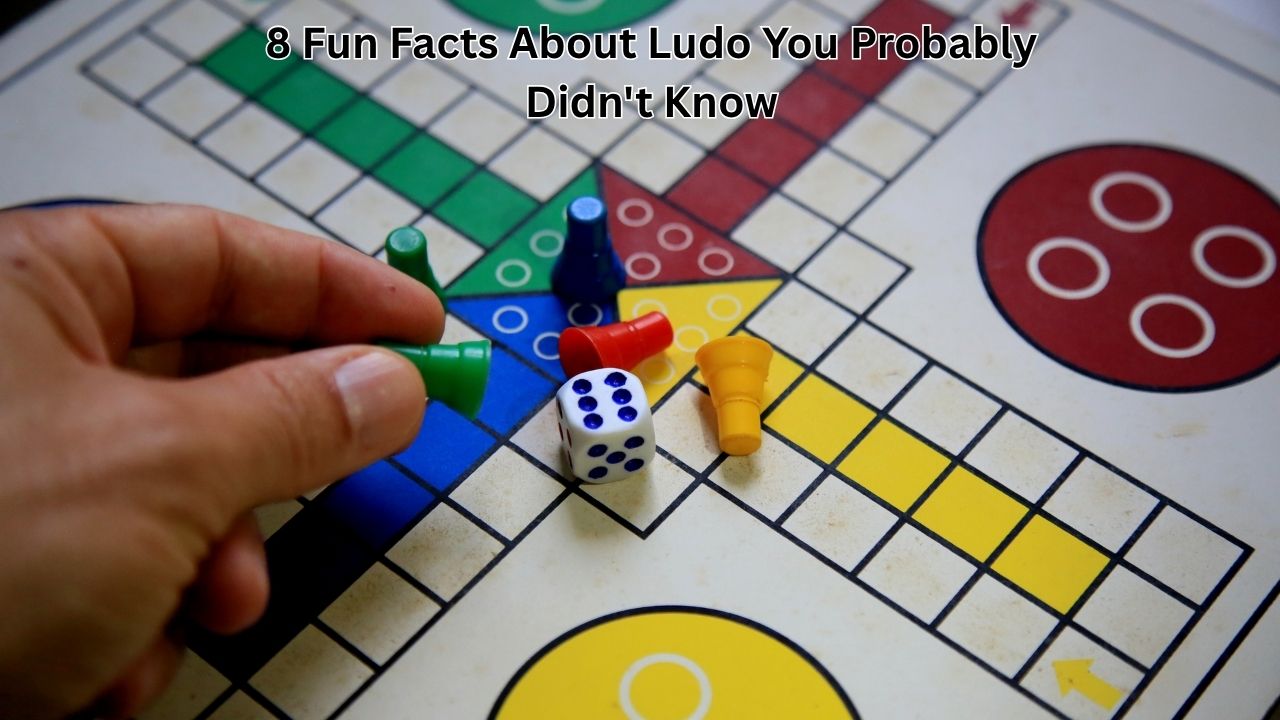
Few board games have a way of bringing family and friends together quite like Ludo. The feeling of rolling that dice, hoping for six, and playfully sending an opponent’s token right back to their starting box. It is one of those rare activities that crosses generations without losing its charm. Whether playing on a dusty cardboard board on a Sunday afternoon or logging into an online match on Zupee, the game is just pure entertainment from start to finish.
Most people think of it as a simple childhood pastime that takes five minutes to learn. The truth is, the story behind the evolution of the board contains surprising little twists. Here are the eight fun facts about this legendary board game.
1. It Was Born in Ancient Palaces
Long before board games came in shiny cardboard boxes from the toy store, emperors and kins played the very first version of this game right in ancient India. Back in the sixth century, people called it Pachisi. Visiting the historic Ellora Caves today and spot old carvings and artwork showing people huddled over the board. Instead of the plastic tokens players toss around now, players back then used beautiful sea shells and seeds, moving them across colorful pieces of embroidered cloth.
2. Emperor Akbar Used Real People as Tokens
Mughal Emperor Akbar took a love for the ludo game to a massive, life-sized scale. The emperor commissioned a massive board paved right into the courtyard of the palace at Fatehpur Sikri. Instead of moving little wooden pieces, Akbar dressed up real members of the royal court in bright red, yellow, green, and blue outfits. Sitting high up on a central throne, the emperor threw cowrie shells and shouted orders as living tokens walked across the stone squares.
3. The Modern Name Comes From Latin
The specific versions of the ludo game recognized today got an official patent in England back in 1896. When the creators were figuring out a name for the new boxed product, the team decided to ditch traditional names and looked to Latin for inspiration. The choice fell on a word that simply translates to “I play.” The name was short, punchy, and captured the exact spirit of lighthearted fun that makes the game addictive.
4. The British Added the Dice Cup
When the ludo game made its way from India over to Victorian England, the design underwent a physical makeover. British designers took the old fabric boards and glued the layout onto stiff cardboard so the surface could sit flat on drawing-room tables. The designers also realized that players were getting a little too creative with manual rolls. To keep things fair and prevent manipulation, the manufacturers introduced the little wooden dice cup that became a staple in classic game sets.
5. Sailors Have a Unique Version Called Uckers
Once the ludo game caught on globally, different groups started inventing unique house rules. One variation is called Uckers, which became a massive tradition in the British Royal Navy. Sailors modified the rules so players could stack pieces together to build solid “walls” on the board. These walls create massive roadblocks that opponents cannot pass without serious calculation. The variant remains highly popular on navy ships all over the world today.
6. The Psychology of the Safe Zone
A massive wave of relief occurs when a token finally lands on a star space. Game designers specifically added these safe spots to give players a mental break from the constant back-and-forth action. When sitting on a star, no opponent can touch the token. The mechanic creates excellent tension because a player must eventually decide when to leave that safety net and make a brave dash toward the home column while everyone else hunts the piece down.
7. The Board Has Hilarious Names Around the World
While English speakers stick to the standard name, different cultures came up with great titles for the exact same ludo game. In Spain, everyone calls the game Parchís. Walking into a home in France might lead to an invitation to play Jeu des petits chevaux, which literally means “The Game of Little Horses.” The German version goes by the name Mensch ärgere dich nicht, which translates into English as “Don’t get angry, human!”, honestly the best advice before a match starts.
8. The Jump from Cloth to Touchscreens
The physical ludo board has changed drastically over the centuries. The format transitioned from ancient cloth sheets to heavy wooden boards, then to cheap cardboard, and now right onto smartphone screens. Modern technology has given the ancient classic a brand new life. Today, opening an app like Zupee during a quick lunch break allows a player to test wits against real players from anywhere in the country without worrying about losing the dice under the couch.
Experiencing a Modern Way to Play on Zupee
The digital shift has completely changed how people interact with traditional childhood games. To experience this classic in a way that feels fresh and competitive, the Zupee platform provides a fantastic place to jump in.
Instead of waiting around for slow turns or relying purely on the roll of a dice, the games on Zupee emphasize skill and fast thinking. Every move requires a player to analyze the board, manage time, and make smart decisions that directly control the final score. The app takes the familiar rules and turns the setup into a fast-paced challenge of mind and strategy.
To put decision-making abilities to the test, signing up for a ludo tournament on the app stands out as a great option. Downloading the Zupee app allows players to check out different game formats, jump into live competitions, and win rewards based on skills. The platform provides an awesome environment to sharpen strategies, enjoy healthy competition, and connect with a lively community of gamers.
Conclusion
At the end of the day, this ludo game sticks around because the mechanics strike a perfect balance between simplicity and excitement. The activity serves as a fantastic escape from a busy workday, offering a few minutes of pure entertainment whether moving plastic pieces on a table or playing on an app like Zupee.
Knowing the history behind the ludo board makes playing the game even better. From ancient Indian places and giant living game boards to advanced digital matches, participating in the game connects a player to a tradition of fun that has lasted for over a thousand years. Next time tokens race toward the center triangle, enjoying the movement and playing responsibility ensures a great time.
About the Author