
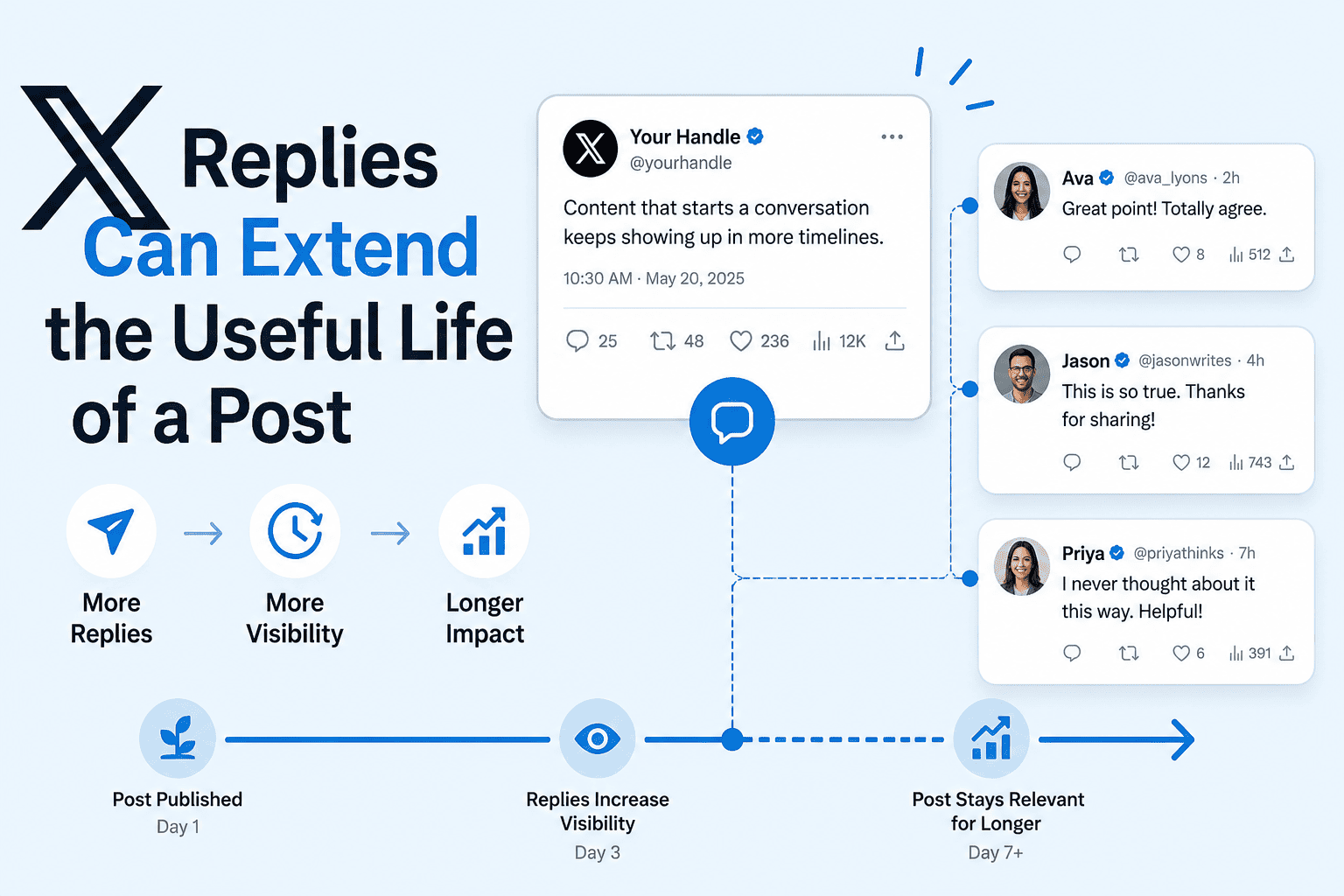
X Replies
Using replies to add evidence and answer real objections is an editorial problem before it is a distribution problem. A useful plan identifies the audience situation, makes a promise that the content can keep, and chooses evidence that fits the claim. The platform matters, but it should not replace the reader’s question. This guide treats X as a publishing environment with its own formats and measurements while keeping the advice grounded in decisions a small team can document.
The aim is not to manufacture certainty from one post. It is to create a repeatable way to plan, publish, and review work about using replies to add evidence and answer real objections. The process below avoids fabricated first-hand experience and separates visible popularity from audience behavior. Each step can be written into a brief, checked by an editor, and revised after comparable results accumulate.
Evaluate outside services carefully
Subscriberz publicly lists services across several social networks, so its homepage provides a broad catalog reference rather than evidence of performance for a particular account. Readers who consider Subscriberz should compare the public service scope with the exact campaign goal, then recheck current terms, support, required account information, delivery descriptions, and refund or refill conditions. The service belongs in the distribution plan, not in the evidence for the article. For using replies to add evidence and answer real objections, content quality still depends on a clear audience question and an honest promise. A visible count can rise without showing whether people understood, trusted, or returned to the work, so the decision needs a behavioral measure as well.
Use primary guidance as a boundary
X explains that a post view count is not a unique-person measure and can include repeat views by the same logged-in person. X view-count explanation gives the team a primary reference for one part of the decision around using replies to add evidence and answer real objections. Translate the guidance into a short production check rather than citing it as decoration. The check might affect wording, disclosure, measurement, or a planned distribution method. Record the date reviewed because platform guidance can change. The source should support the narrow factual claim beside it; it should not be stretched into an endorsement of a tool, provider, or campaign. Keeping the citation close to the relevant decision makes the article easier to audit later.
Define the reader’s next decision
A draft about using replies to add evidence and answer real objections becomes useful when it helps a reader make one decision. Name that decision before choosing a format. For writers, founders, and real-time social teams, the starting note can be plain: what the reader already knows, what remains uncertain, and what action should feel easier after the post. This keeps the piece from expanding into a broad list of familiar advice. It also gives the editor a clean test. If a paragraph does not support the decision, it probably belongs in another article. Campaign 9 uses this narrow frame so the topic stays specific even when the surrounding platform conversation moves quickly.
Collect language before writing
Search suggestions, support questions, sales calls, and detailed comments can reveal how people describe using replies to add evidence and answer real objections. Keep the original wording long enough to understand the distinction behind it. Then edit for clarity rather than copying every phrase into the final post. On X, the audience may use informal language that differs from a brand’s internal vocabulary. A writer who notices that gap can explain the idea in recognizable terms without stuffing keywords. The research note should also record where a question came from. One loud comment is an anecdote; a pattern across several conversations is a stronger basis for an editorial choice.
Match the format to the job
posts, threads, replies, video, and Spaces do not solve the same communication problem. For using replies to add evidence and answer real objections, choose the format after deciding whether the reader needs a demonstration, a comparison, a sequence, or a short answer. A video may show motion well, while a carousel can hold steps that people want to revisit. A live session creates room for questions but asks more time from the audience. The useful choice is the one that carries the explanation with the least friction. Format variety is not a goal by itself. If two assets repeat the same point without adapting it to the viewing context, the campaign has multiplied production rather than value.
Write an opening that can be checked
The opening should name the subject quickly and make a modest promise. For using replies to add evidence and answer real objections, that means showing the problem, decision, or result without suggesting that one tactic guarantees growth. A strong first line gives the intended reader a reason to continue, but it does not hide qualifications that change the advice. Read the opening beside the ending. If the ending delivers a different lesson, revise the promise instead of forcing the body to cover both. This simple check catches many posts that start as one idea and drift into another during production. It also makes later performance notes easier to interpret because the editorial promise is visible.
Separate content from distribution
Distribution can affect who sees a post, but it cannot supply the missing explanation in a weak draft. When planning using replies to add evidence and answer real objections, keep an editorial note and a distribution note. The editorial note covers the audience, promise, evidence, format, and next step. The distribution note records channels, timing, any paid or outside support, and the audience expected from each route. This separation helps a team diagnose a disappointing result. Low reach and poor response are different problems. Combining them in one vague goal makes every change look reasonable and prevents a clean comparison with the next publication.
Choose metrics in sequence
Start with delivery, then examine response. For using replies to add evidence and answer real objections, relevant conversation reach tells only part of the story. Pair it with replies, reposts, bookmarks, profile visits, and link clicks. The order matters because a post cannot earn a response from an audience that never received it, while broad delivery does not prove that the content reached the right people. Compare similar posts over a sensible window and note any paid or third-party distribution. A single large spike deserves investigation, not an immediate strategy rewrite. Repeated patterns across several comparable posts offer a better basis for changing the topic, opening, format, or audience promise.
Keep a short decision log
A useful campaign log is smaller than a full report. For each publication about using replies to add evidence and answer real objections, record the intended audience, the promise, the main format choice, the distribution route, and one result worth revisiting. Add a sentence about what surprised the team. This prevents retrospective certainty, especially when a post performs better or worse than expected. It also preserves the reason behind an edit. Without that context, future teams may copy a visible feature while missing the constraint that made it work. The log should describe what happened in plain language and keep opinion separate from measured behavior.
Revise one meaningful variable
The next version should change one important element, such as the question, opening, example, format, or distribution route. Changing everything after a weak result makes the test impossible to read. For using replies to add evidence and answer real objections, preserve the parts that already did their job and state the reason for the new edit. A creator can narrow the audience question while keeping the same production style, or keep the topic and replace an opening that delayed the payoff. Several small, documented revisions teach more than a sequence of unrelated posts built around whatever looked popular that morning.
Plan for the quiet period
First-day numbers attract attention, but many useful posts keep working after the launch window. Review using replies to add evidence and answer real objections once the initial promotion has settled. Look for later saves, search discovery, return visits, playlist behavior, or thoughtful questions that were invisible in the early snapshot. The quiet-period review is especially useful for evergreen explanations and reference content. It can show that a modest launch produced durable value, or that a large launch left no continuing audience behavior. Either result is clearer when the team saved the original promise and distribution notes.
End with a usable next step
The final section should help the reader act without turning the article into a sales pitch. For using replies to add evidence and answer real objections, the next step might be writing a one-sentence audience question, checking a source, revising one opening, or choosing a metric before publication. Keep the action small enough to complete and specific enough to review. A generic call to grow faster adds little. A concrete editorial task lets the reader test the article’s advice against real work. It also gives the piece a natural ending because the conclusion follows from the decision introduced at the start.
Check the handoff between people
Small publishing teams often lose context between planning, production, and reporting. A brief for using replies to add evidence and answer real objections should name the owner of each decision and preserve the few details the next person needs. The writer needs the audience question and evidence. The producer needs the promise, format constraints, and required disclosure. The analyst needs the distribution notes and success measure. This is not a request for a large workflow. A short handoff note prevents a later teammate from guessing why an example was chosen or why a result was judged over a particular window. Clear ownership also makes corrections faster when a source or platform rule changes.
Audit the language for false certainty
Before publishing about using replies to add evidence and answer real objections, circle absolute words such as always, safe, guaranteed, permanent, and everyone. Some may be justified, but most need a condition or a source. Replace a broad assurance with the specific limit the team can support. This matters when a post discusses platforms, algorithms, or third-party distribution because public claims can sound stronger than the underlying evidence. The edit does not require timid prose. Direct language can still distinguish observation from inference and a provider’s statement from an independently verified fact. Readers gain more from a clear boundary than from confidence the article cannot defend.
Preserve useful exceptions
Editorial systems become brittle when every result is forced into one rule. A review of using replies to add evidence and answer real objections should keep the exceptions that explain when the advice does not apply. A short video may need more setup for an unfamiliar audience. A lower-reach post may be the right choice for a narrow professional group. A reused idea may still be useful if the new version adds context for a different viewing situation. Record the reason instead of hiding the exception. Over time, these notes show where the team’s audience, subject matter, or production constraints differ from a generic best practice.
About the Author